
Loading...
Serving Golden Gate, FL and surrounding areas. (239) 688-0022
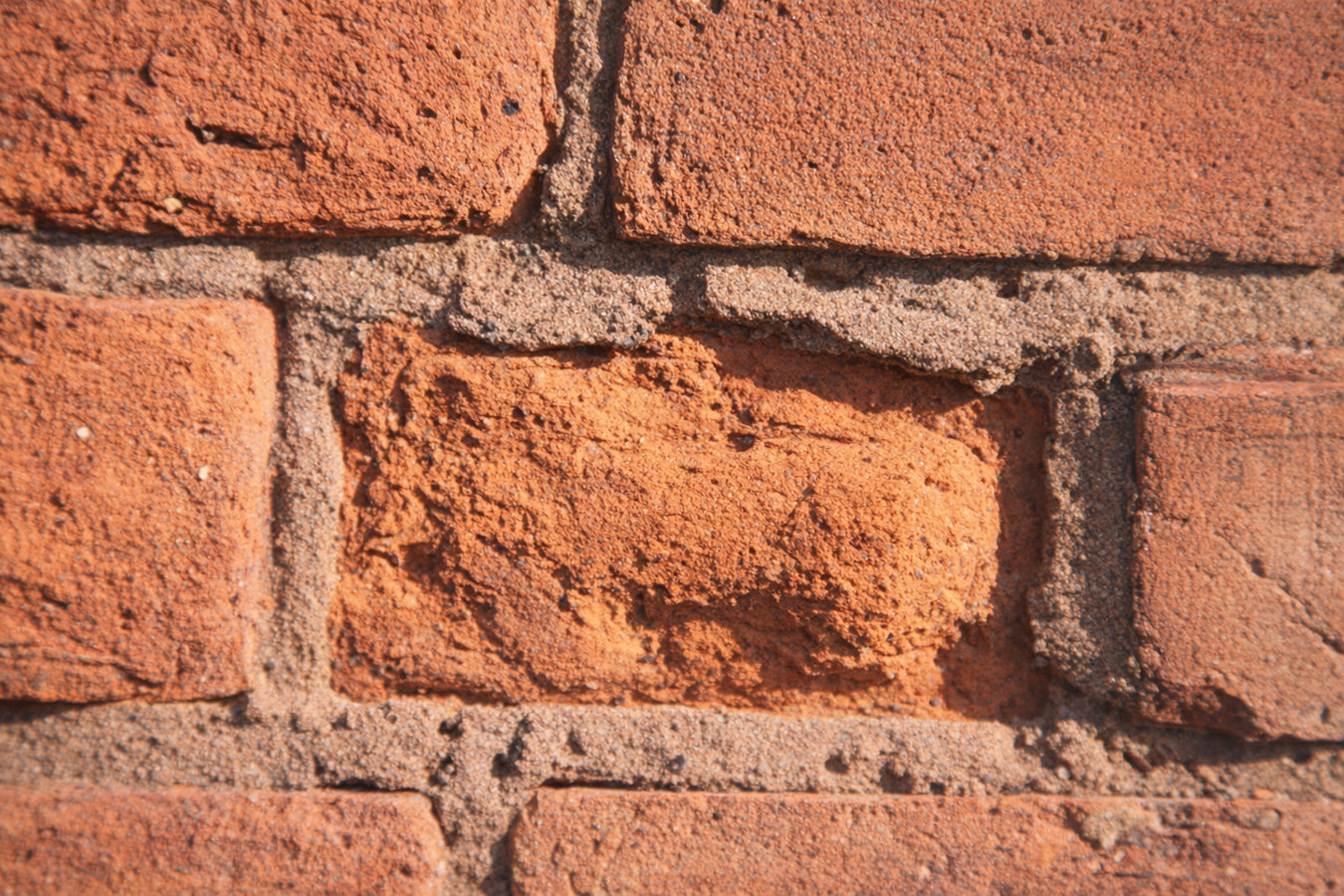
Crumbling mortar joints let water behind your brickwork every rainy season - we remove the old mortar, pack in a properly matched mix, and seal the wall before the damage spreads.
Brick pointing in Golden Gate means grinding or chiseling out old, crumbling mortar from the joints between bricks and packing in fresh mortar that is matched to your brick in hardness and color - most chimney and single-wall jobs are complete in one to two days on-site.
The mortar joint is the first thing Southwest Florida's heat, humidity, and rainy season attack. In Golden Gate, the wet season runs June through September and brings daily downpours that can dump several inches of rain in a short time. Water that finds a failing joint moves behind the brick, saturates the wall cavity, and - in this climate - can promote mold growth faster than you might expect. Catching the problem early costs a fraction of repairing what comes after. If your home also has older structural work that may be shifting, a look at masonry restoration may be worth having at the same time.
Press a fingernail or key into the joint between two bricks. If the mortar feels sandy, soft, or flakes away, it has lost its bond. In Golden Gate's heat and humidity, this kind of surface breakdown can progress quickly once it starts and should not be left for the next rainy season.
If you can see daylight or dark spaces where mortar used to be, water is already getting in. Even small gaps let moisture move behind the brick face during heavy rain. Do not wait for a gap to get larger - it will, and the damage it allows will compound.
Efflorescence - a chalky white residue on the brick surface - is a sign that water is moving through the wall and carrying dissolved salts to the outside. It almost always points to failing mortar joints nearby. In Southwest Florida's frequent rain, this staining can appear quickly once joints begin to fail.
Hairline cracks that follow the mortar pattern rather than cutting through the bricks are a classic sign that the mortar has shrunk, dried out, or shifted. These cracks are easy to overlook at first glance but are obvious in direct sunlight - and each one is a channel for rainwater.
We handle pointing jobs ranging from a single chimney or garden wall section to full repoints of larger brick structures. The process is the same in every case: grind or chisel out the deteriorated mortar to a consistent depth, clean the joints, pack in fresh mortar mixed to match the original in hardness and color, and tool each joint to a profile that sheds water rather than collects it. Mortar that is too hard for older, softer brick can crack the brick before it fails itself - matching hardness is not a cosmetic detail, it is a structural one.
Pointing often reveals other issues that need attention at the same time. If the inspection uncovers brick that has spalled or cracked, or if there is evidence of water intrusion behind the wall, we can discuss foundation repair or a broader restoration scope so you are not opening up the same wall twice.
Best for homeowners who notice crumbling joints at the chimney crown or along the stack - chimneys are exposed to full sun and rain from every angle and tend to show mortar failure first.
Suits exterior brick walls that have lost their mortar seal - restores the water barrier and cleans up the look of the wall without replacing a single brick.
For larger sections of a home's exterior brick where multiple joints are failing - we assess the full wall before starting and work section by section to minimize disruption.
For homeowners who have caught a small area of damage early - targeted repairs to a few joints or a single wall section before water finds its way in.
Golden Gate does not have the freeze-thaw cycles that crack mortar in northern states. What it has instead is relentless heat, high humidity, and a rainy season that delivers intense daily downpours from June through September. The combination causes mortar to expand and contract repeatedly, and any small crack becomes an entry point for moisture. In this climate, mortar deterioration is slower and more gradual than in northern states - but it still happens, and the warm, moist conditions that water finds behind a failing joint are exactly what mold and mildew need to establish themselves. That is a much more expensive problem to fix than the pointing job that would have stopped it.
We serve Golden Gate and the surrounding area, including homeowners in Naples, FL and East Naples, FL who face the same climate conditions. Homes in this area that are closer to the coast or in more wind-exposed locations may also see faster joint deterioration from salt-laden air - a factor we account for when selecting the replacement mortar mix.
Describe what you are seeing - crumbling joints, gaps, staining, or a specific area of concern. We will schedule a site visit within one business day to walk the wall or chimney, probe the joints, and give you a written price that covers materials and labor.
We assess how much mortar needs to come out, check the condition of the brick, and select a replacement mortar matched to your existing joints. If the work can wait, we will suggest scheduling outside the rainy season to give the new mortar the best curing conditions.
The crew cuts old mortar to a consistent depth using grinders or chisels, cleans the joints, and packs in fresh mortar. Each joint is then tooled to a water-shedding profile. Expect grinding noise and mortar dust close to the work area.
We clean the brick face and work area before leaving. The new mortar will look slightly different in color at first - this is normal and evens out as it cures. We walk the finished work with you and ask you to avoid pressure-washing the new joints for at least a week.
We visit your property, look at the joints in person, and give you a straight answer on what they need - no pressure, no guesswork.
(239) 688-0022Using the wrong mortar is one of the most common mistakes in pointing work. Mortar that is harder than the surrounding brick will not give way under stress - the brick will. We select the mix based on your specific brick type and age, not just what looks closest in color.
Florida requires a state-issued contractor's license for masonry work, and you can verify ours through the Florida Department of Business and Professional Regulation before you sign anything. We carry full liability insurance and workers' compensation and provide certificates on request.
We know Golden Gate's weather patterns and schedule pointing work around them. When summer jobs are unavoidable, we plan for morning starts before afternoon storms roll in and advise you on the curing window so the new mortar has the best chance to set properly in the heat and humidity.
Membership in the Mason Contractors Association of America means we stay current with industry standards and best practices in the masonry trade - giving you an objective way to compare contractors beyond just price.
Brick pointing is one of the most cost-effective repairs you can make to a masonry structure. Done right with the correct mortar mix and proper joint profiling, a single pointing job protects the wall and the structure behind it for fifteen to twenty-five years - stopping far more expensive damage before it has a chance to start.
To verify a Florida masonry contractor's license status, use the Florida Department of Business and Professional Regulation online lookup. For mortar standards and masonry trade practices, the Mason Contractors Association of America and ASTM International publish the standards that govern mortar mix selection and application.
Address structural movement before it works its way up through your brickwork and widens joint damage.
Learn MoreWhen pointing is not enough, full masonry restoration brings aged brick and stone surfaces back to sound condition.
Learn MoreBeat the rainy season - get your mortar joints repaired now while the dry weather holds and give the new mortar the best chance to cure.